
By Jeffrey T. Donner, Esq.
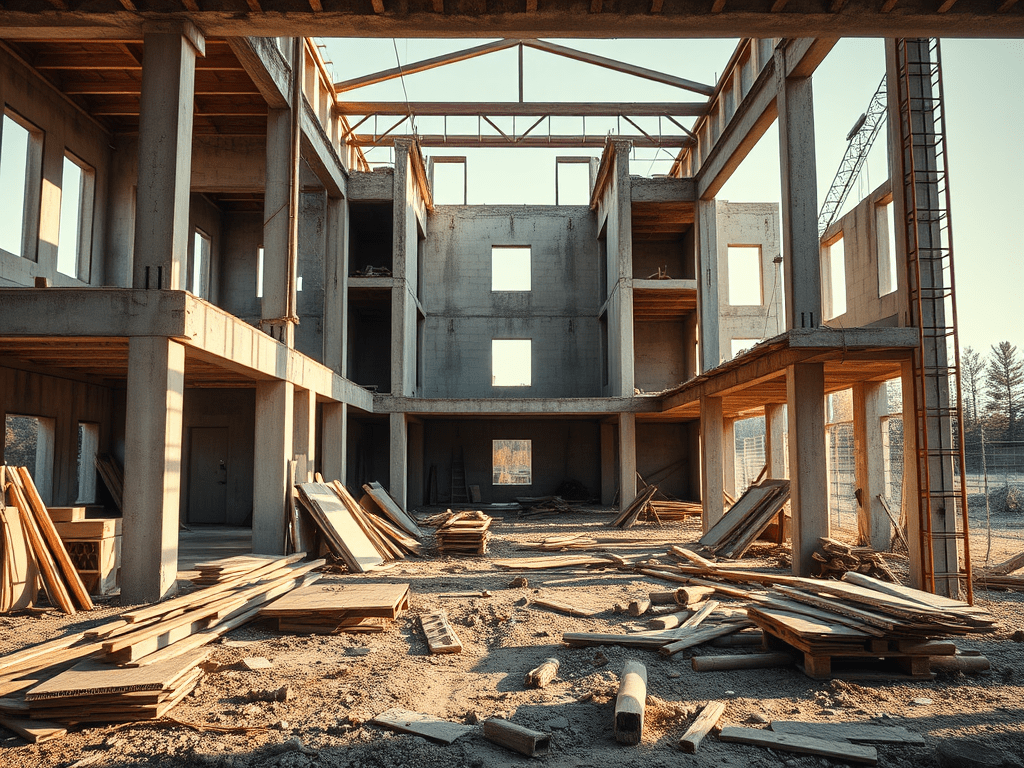
Construction projects do not pause simply because a contractor files bankruptcy. Roofs remain incomplete. Seawalls remain exposed. Payment disputes remain unresolved. What changes immediately is the legal landscape.
When a contractor or trustee files bankruptcy, condominium associations and property owners are suddenly operating inside a federal court system governed by strict deadlines, automatic stays, and highly technical claims procedures. The wrong move — or delay — can materially weaken leverage or eliminate recovery.
This is not simply a bankruptcy issue. It is a bankruptcy issue layered on top of a construction and property dispute.
Understanding how those layers interact is critical.
The Automatic Stay: What Stops — and What Does Not
The moment a bankruptcy petition is filed, the automatic stay under 11 U.S.C. § 362 takes effect. Lawsuits, collection efforts, lien enforcement actions, and certain contractual remedies may be frozen.
But the stay is not absolute.
Questions immediately arise:
• Can the association terminate the contract?
• Can it hire a replacement contractor?
• Is there insurance coverage that remains accessible?
• Are there performance bonds?
• Does the stay apply to third parties?
Each of those questions requires precise analysis. Acting without understanding the stay can expose a board to sanctions. Failing to act when relief from stay is appropriate can allow damage to compound.
Strategic decisions must be made early and deliberately.
Proofs of Claim and Leverage Positioning
Bankruptcy is a claims-driven process. Deadlines matter. Classification matters. Secured versus unsecured status matters. Setoff rights matter.
For condo associations and property owners, the critical analysis includes:
• Whether the association holds retainage
• Whether there are construction liens
• Whether defective work creates a counterclaim
• Whether the debtor has insurance that can be accessed
• Whether the claim should be treated as secured, priority, or general unsecured
A properly structured proof of claim can preserve leverage. A poorly prepared claim can reduce recovery to pennies on the dollar.
The bankruptcy court will not resolve underlying construction disputes automatically. Those issues must be framed correctly within the bankruptcy process.
Condo Associations: Governance, Fiduciary Duties, and Exposure
Board members are fiduciaries. When a contractor fails mid-project, boards face pressure from unit owners, special assessment concerns, and escalating repair costs.
The board must balance:
• Protecting association funds
• Preserving potential recovery
• Minimizing delay
• Avoiding personal exposure
That requires counsel who understands Chapter 718 governance issues as well as federal bankruptcy procedure.
Bankruptcy does not eliminate the association’s responsibilities. It complicates them.
Property Disputes Inside Bankruptcy
Many contractor bankruptcies involve allegations of:
• Defective workmanship
• Misapplied progress payments
• Failure to complete
• Misrepresentation of licensing or financial condition
Those disputes do not disappear. They become adversary proceedings, contested claims, or negotiated restructurings inside the bankruptcy case.
The key is integration — aligning construction law strategy with bankruptcy leverage.
A lawyer who only practices bankruptcy may not understand the construction and property nuances. A lawyer who only handles construction disputes may not appreciate how federal bankruptcy procedure alters timing and remedy.
The intersection is where outcomes are determined.
Speed Matters
In these cases, timing is not theoretical.
• Deadlines to object to dischargeability
• Deadlines to file proofs of claim
• Deadlines to seek relief from stay
• Deadlines tied to asset sales
Boards that wait lose leverage. Property owners who delay risk watching insurance proceeds or estate assets diminish.
Early strategic positioning often determines recovery.
A Coordinated Approach
Contractor bankruptcy cases require:
• Analysis of contract rights
• Review of lien and bond status
• Evaluation of insurance coverage
• Assessment of estate assets
• Bankruptcy claims strategy
• Litigation positioning where necessary
It is not a siloed practice area.
It is an integrated one.
Condominium associations and property owners facing contractor bankruptcy should not assume this is merely a collections problem. It is a strategic restructuring of rights and remedies under federal law.
Handled correctly, exposure can be limited and recovery preserved. Handled poorly, leverage can evaporate.
If your association or property project is facing this situation, early and decisive legal analysis is essential.
 Donner Law Firm