
The Florida Insurance Law Blog
By Jeffrey T. Donner, Esq.
Call 407-639-4223 to schedule a consultation with Attorney Jeff Donner today.

-

by Jeffrey T. Donner, Esq. August 28, 2026 Businesses frequently prefer names that tell prospective customers exactly what they offer. A descriptive name can be commercially effective because the customer does not need an explanation. “Engineered Tax Services,” “Drive Pitch & Putt,” “Ale House,” “Battery Tender,” and “The Cheerleading Worlds” all communicate something immediately about…
-

Pretrial orders, motions in limine, improper argument, cumulative prejudice, and new trials in the Eleventh Circuit—with Polypack, Inc. v. Nestlé USA, Inc. as a case study By Jeffrey T. Donner, Esq. August 28, 2026 A favorable jury verdict can be the most expensive result a litigant ever loses. That is the central lesson of Polypack,…
-

by Jeffrey T. Donner, Esq. August 28, 2026 A manufacturer pays nearly $1 million for two custom robotic systems that arrive late, allegedly scratch and damage its products, require months of reprogramming, and ultimately leave one robot with a bathtub stuck inside it. One might expect the resulting lawsuit to turn principally on whether the…
-
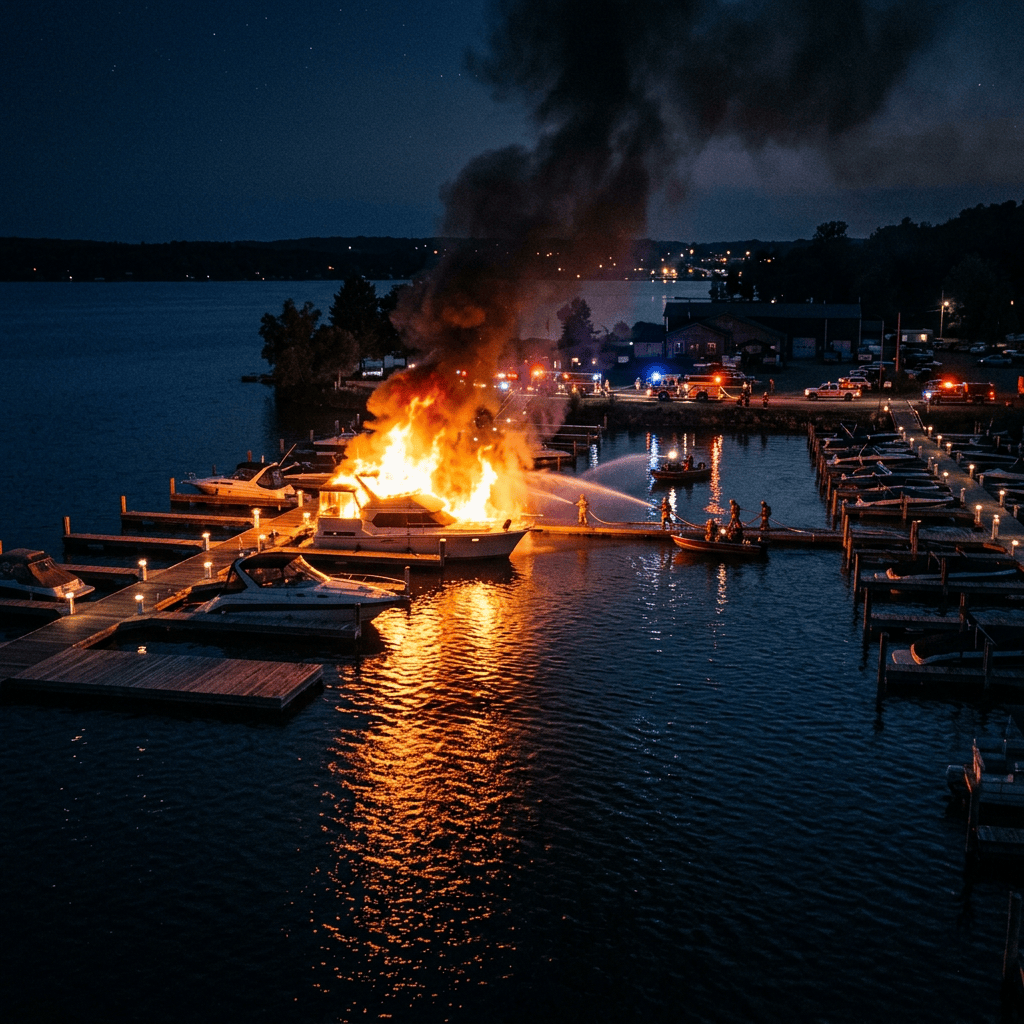
A federal court refused to end maritime negligence claims arising from a catastrophic marina fire, concluding that evidence of practical control, repeated safety oversight, constructive notice, and reliance presented issues for trial. The decision also shows why surviving summary judgment is not the same as proving liability. By Jeffrey T. Donner, Esq. August 28, 2026…
-

By Jeffrey T. Donner, Esq. August 28, 2026 Construction-defect disputes rarely begin in a courtroom. They begin with water coming through a roof, equipment failing in a storm, concrete cracking, a building envelope leaking, or an owner discovering that completed work does not comply with the plans or the Florida Building Code. The first decisions…
-

By Jeffrey T. Donner, Esq. August 28, 2026 A distracted driver looks down for his phone, runs a stop sign, and causes a fatal collision. Ordinarily, that sounds like a straightforward negligence case against the driver. In Benavides v. Tesla, Inc., however, the driver’s admitted negligence was only the beginning of the analysis. The case…
-
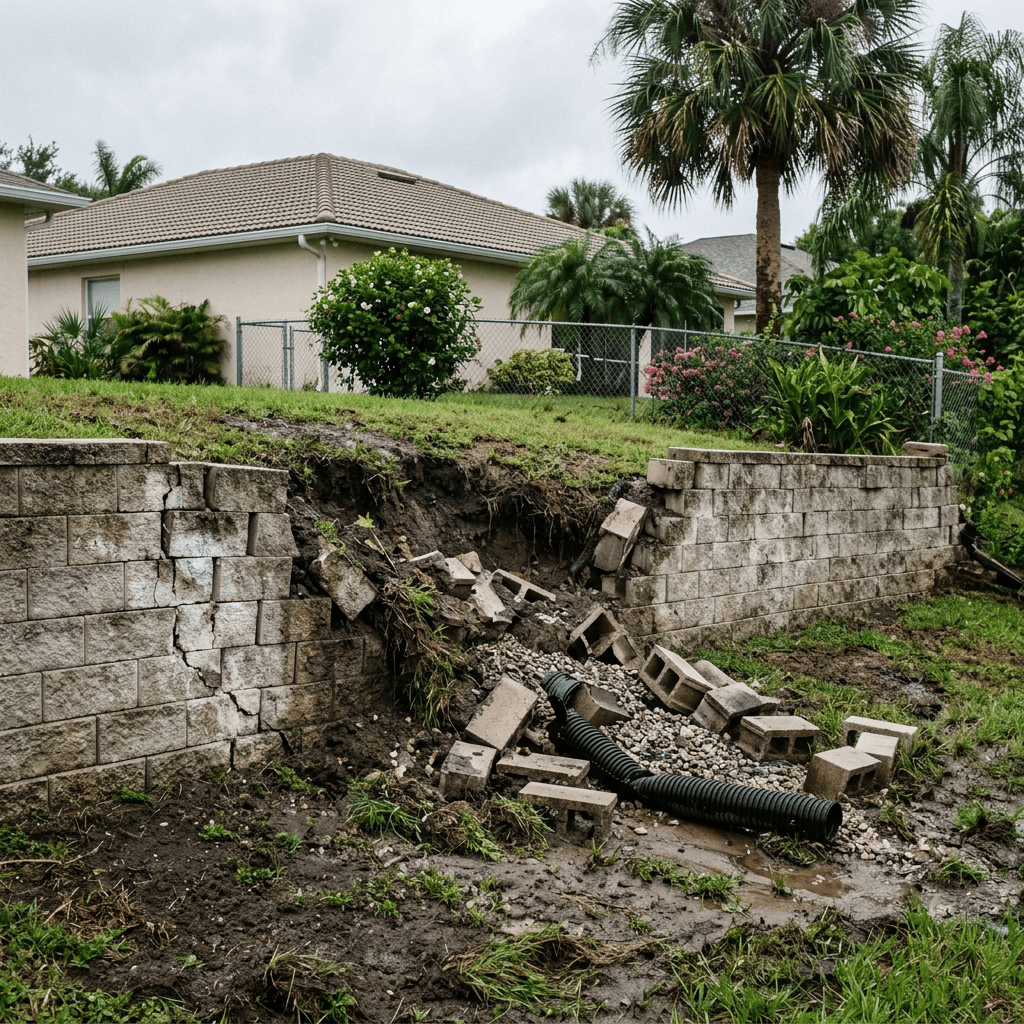
By Jeffrey T. Donner, Esq. August 28, 2026 Property-loss disputes are rarely as simple as identifying a single broken component and asking whether the policy covers it. A retaining wall may fail after heavy weather, but the wall may also have inadequate drainage. A roof may leak during a hurricane, but it may have deteriorated…
-

By Jeffrey T. Donner, Esq. August 27, 2026 An insurer’s duty to defend is not always defeated simply because the underlying plaintiffs did not accuse the named insured of wrongdoing. In DCP Operating Company, LP v. St. Paul Fire and Marine Insurance Co., No. 2:24-cv-00628-SMD-KRS (D.N.M. Jan. 23, 2026), a federal court applying New Mexico…
-
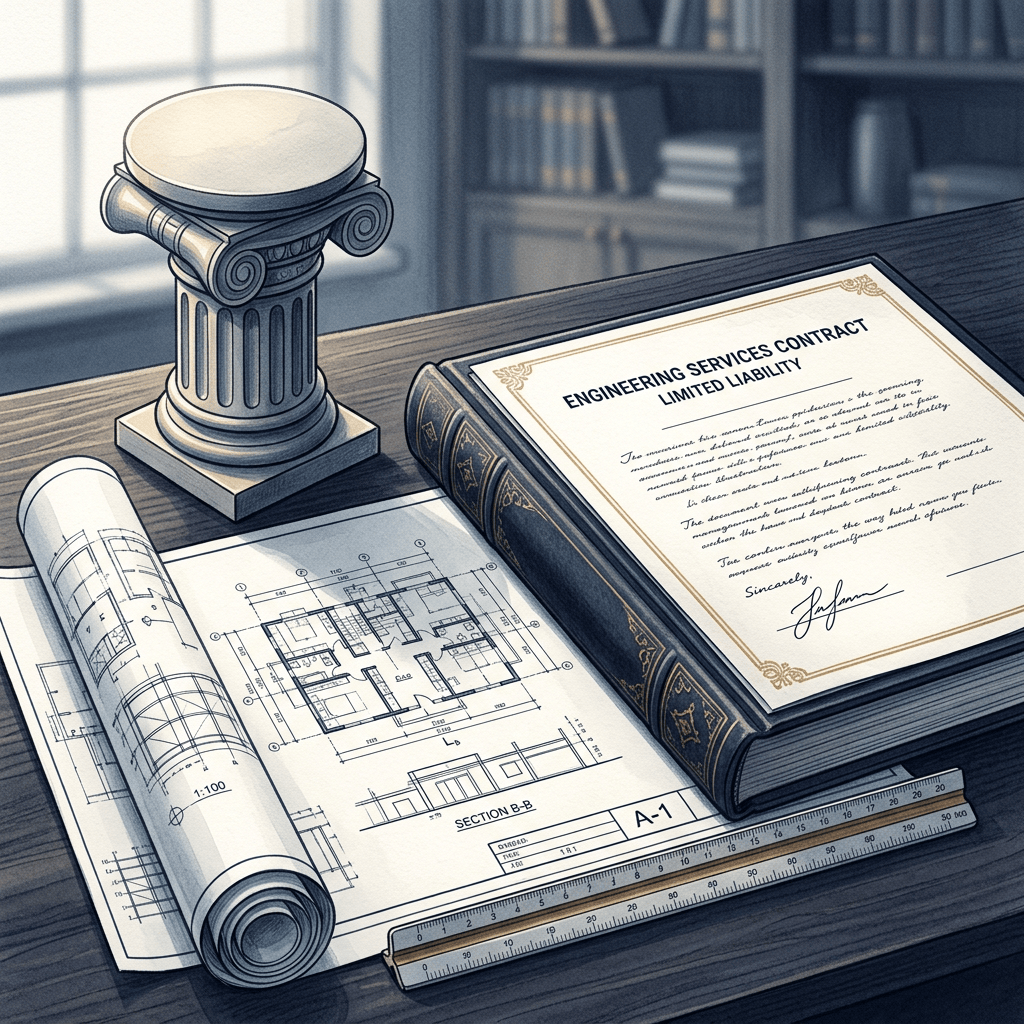
Pine Bluff Sand and Gravel Co. v. HDR Engineering Shows How a Liability Cap Can Control Both the Value and the Forum of a Business Dispute By Jeffrey T. Donner, Esq. August 27, 2026 A recent federal decision arising from a construction project on the Cumberland River offers a blunt reminder about commercial contracts: a…
-

Government Power, Corporate Concentration, Private Equity, and the Decline of Economic Independence By Jeffrey T. Donner, Esq. August 27, 2026 Saying that the United States and Western Europe are already living under communism sounds ridiculous if the word “communism” is given its strict twentieth-century definition. The government does not own Walmart, Microsoft, Amazon, Apple, Home…
 Donner Law Firm
You must be logged in to post a comment.